


The Nutritional Benefits of Pumpkin Seeds
Pumpkin seeds, also known as pepitas, are the edible seeds of pumpkins. They are not only delicious but also packed with essential nutrients that offer numerous health benefits. Whether you enjoy them as a snack or incorporate them into your meals, These Seeds can be a great addition to your diet. In this article, we will explore the nutritional benefits of These Seeds and why you should consider adding them to your daily routine.
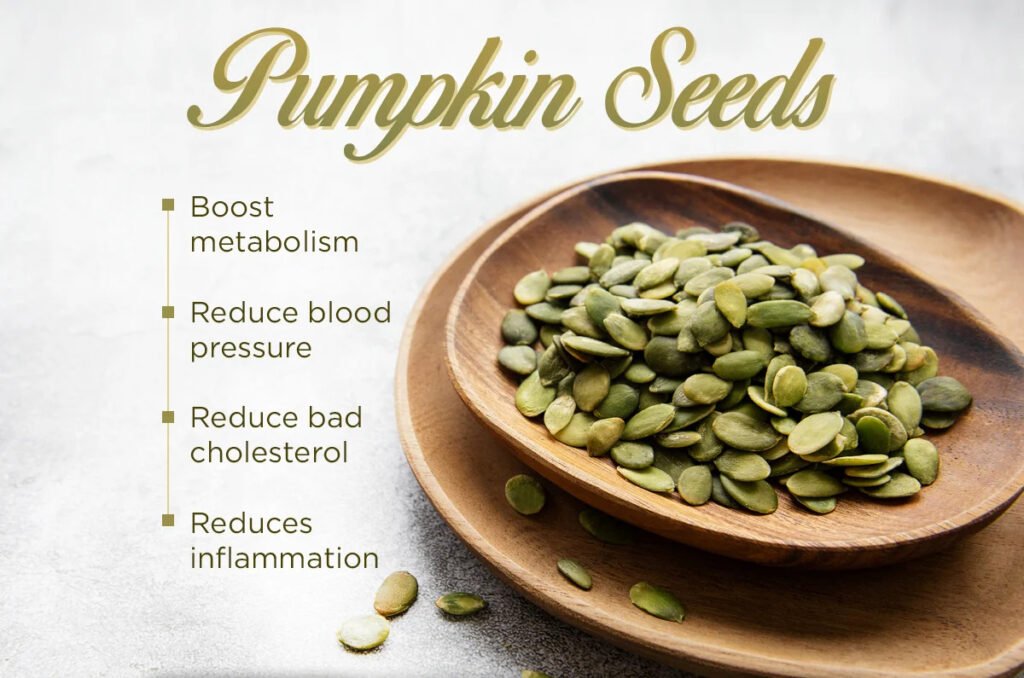
Image Source: Kokilaben Hospital
Pumpkin seeds, also known as pepitas, are packed with nutrition and offer many health benefits.
- These Seeds are small, flat, oval-shaped seeds.
- They are dark green in color with a white outer shell that can be removed.
- These Seeds are about 1-2 cm in length and 0.5-1 cm in width.
- They have a mild, nutty flavor.
- These Seeds can be eaten as a snack or used as a topping for salads or soups, or as an ingredient in baked goods.
Nutrients Values Of Pumpkin Seeds
The nutrients found in pumpkin seeds per 100 grams:
- Calories: 559
- Protein: 30.23 grams
- Fat: 49.05 grams (including 6.81 grams of saturated fat, 15.2 grams of monounsaturated fat, and 22.87 grams of polyunsaturated fat)
- Carbohydrates: 10.71 grams (including 6 grams of fiber and 1.4 grams of sugar)
- Minerals:
- Magnesium: 592 mg
- Zinc: 7.64 mg
- Iron: 8.82 mg
- Potassium: 919 mg
- Phosphorus: 1233 mg
- Manganese: 4.54 mg
- Copper: 1.36 mg
- Selenium: 9.4 mcg
- Vitamins:
- Vitamin K: 71.6 mcg
- Vitamin E: 2.18 mg
- Thiamin (vitamin B1): 0.273 mg
- Riboflavin (vitamin B2): 0.153 mg
- Niacin (vitamin B3): 4.987 mg
- Vitamin B6: 0.143 mg
- Folate (vitamin B9): 58 mcg
It’s important to note that these values may vary slightly depending on the specific type and preparation of pumpkin seeds.
Rich in Essential Nutrients
In addition to being nutrient-dense, These Seeds offer several benefits for heart health. They are an excellent source of heart-healthy fats, including monounsaturated and polyunsaturated fats. These fats can help lower bad cholesterol levels and reduce the risk of heart disease.
Pumpkin seeds are also rich in antioxidants, such as vitamin E and carotenoids. Antioxidants help protect the body against free radicals, which can cause oxidative stress and contribute to chronic diseases, including heart disease. Including These Seeds in your diet can help boost your antioxidant intake and promote heart health.
Supports Digestive Health
The high fiber content of These Seeds makes them beneficial for digestive health. Fiber is essential for maintaining regular bowel movements and preventing constipation. It also helps promote the growth of healthy gut bacteria, which is crucial for a healthy digestive system.
Incorporating pumpkin seeds into your diet can help increase your fiber intake and support a healthy digestive system. They can be sprinkled on top of salads, added to smoothies, or enjoyed as a snack on their own.
Pumpkin Seeds other Health Benefits
- Boost prostate and urinary health
- Rich in zinc for better immunity
- Help lower cholesterol naturally
- May reduce risk of cancer
- Fight inflammation with antioxidants
- Support heart and metabolic health
Incorporating Pumpkin Seeds into Your Diet
There are numerous ways to enjoy the nutritional benefits of pumpkin seeds. They can be eaten raw, roasted, or added to various dishes. Here are a few ideas to help you incorporate pumpkin seeds into your diet:
- Snack on a handful of raw pumpkin seeds.
- Sprinkle These Seeds on top of salads or soups.
- Add seeds of pumpkin to homemade granola or trail mix.
- Blend These Seeds into smoothies for an added nutritional boost.
- Use this seed butter as a spread on toast or crackers.
Remember to consume these seeds in moderation, as they are calorie-dense. Stick to recommended serving sizes to avoid consuming excess calories.
