
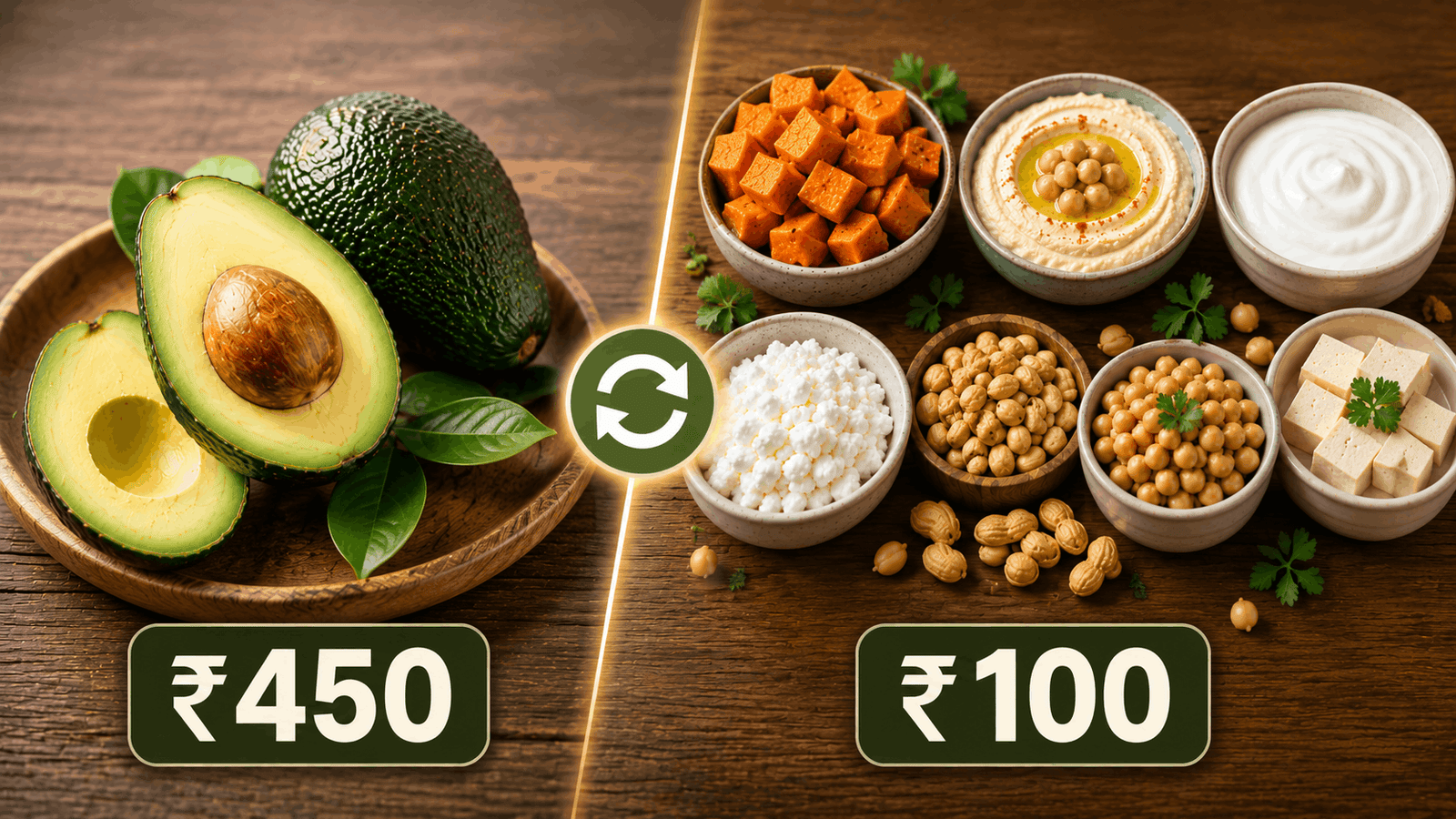

Affordable avocado alternatives can help you enjoy the benefits of a healthy diet without paying premium prices. Love avocado but not its price? The good news is that you don’t need to buy avocado every week to enjoy a healthy, nutrient-rich diet. You might be surprised to learn that several everyday foods can provide many of the same key nutrients for a fraction of the cost. In many regions, foods like sweet potatoes, chickpeas, and peanuts cost significantly less than avocados while still providing valuable nutrients that support overall health.
According to nutrition experts, good health comes from eating a variety of nutrient-dense foods—not relying on a single “superfood.” While avocado is an excellent source of heart-healthy fats, fiber, potassium, and other essential nutrients, it isn’t the only nutritious choice. Many budget-friendly foods can help you meet your daily nutritional needs while keeping your grocery bill under control. In this article, you’ll discover seven affordable avocado alternatives that are easy to find, nutritious, and perfect for everyday meals.
Why Choose Affordable Avocado Alternatives?
Avocados are packed with nutrients, but they can also be expensive and aren’t always easy to find. If you’re trying to eat healthy on a budget, there are many affordable foods that offer their own nutritional benefits. Although no single food can completely match avocado’s nutrition, combining different affordable foods throughout the week can provide many of the same important nutrients, including healthy fats, protein, fiber, vitamins, and minerals.
Expert Tip: Instead of depending on one “superfood,” aim to include a variety of whole foods in your meals. A balanced diet is more important than eating any single ingredient every day.
1. Sweet Potato
Sweet potato is one of the best affordable avocado alternatives because it is rich in fiber, vitamin A, vitamin C, potassium, and antioxidants. While it doesn’t provide the same healthy fats as avocado, it supports healthy digestion, promotes eye health, helps strengthen the immune system, and keeps you feeling full for longer. Its naturally creamy texture also makes it a delicious and budget-friendly addition to everyday meals.
How to consume: Enjoy it boiled, baked, or mashed, or add it to sandwiches, wraps, salads, and grain bowls.
2. Hummus
Hummus is a creamy spread made from chickpeas, tahini, lemon juice, and olive oil. It provides plant-based protein, fiber, healthy unsaturated fats, iron, and folate that help support heart health, improve digestion, and keep you satisfied between meals. It’s also a healthier alternative to butter or mayonnaise in many recipes.
How to consume: Spread it on whole-grain toast or sandwiches, or serve it as a dip with fresh vegetables and whole-grain crackers.
3. Greek Yogurt
Greek yogurt is packed with high-quality protein, calcium, and probiotics that support gut health and strong bones. It also helps keep you full for longer, making it a smart choice for breakfast or snacks. Choosing plain, unsweetened Greek yogurt allows you to enjoy its nutritional benefits without added sugar.
How to consume: Eat it plain, top it with fruits and nuts, or use it in smoothies, dips, and salad dressings.
4. Cottage Cheese
Cottage cheese is an affordable source of protein and calcium that supports muscle health, strengthens bones, and promotes fullness after meals. Its mild flavor and creamy texture make it easy to include in both sweet and savory dishes, making it a nutritious choice for everyday eating.
How to consume: Spread it on toast, mix it into salads, or use it as a filling for wraps and sandwiches.
5. Roasted Peanuts
Roasted peanuts are one of the most affordable sources of healthy unsaturated fats, making them an excellent alternative to avocado. They are also rich in plant protein, fiber, vitamin E, magnesium, and antioxidants that support heart health, provide long-lasting energy, and help keep you feeling full between meals. For the healthiest choice, opt for unsalted roasted peanuts and enjoy them in moderation, as they are calorie-dense.
How to consume: Eat a small handful as a snack, or sprinkle crushed peanuts over salads, yogurt, oatmeal, or vegetable dishes.
Note: If you have a peanut allergy, choose another healthy alternative from this list, such as hummus, Greek yogurt, or silken tofu.
6. Chickpeas
Chickpeas are a nutritious pantry staple packed with plant-based protein, fiber, iron, folate, and essential minerals. They help support healthy digestion, promote fullness, maintain steady energy levels, and contribute to overall heart health. Their versatility and low cost make them a smart addition to a balanced diet.
How to consume: Add them to salads, soups, curries, wraps, or roast them with your favorite spices for a crunchy, healthy snack.
7. Silken Tofu
Silken tofu has a soft, creamy texture that makes it a great choice for smoothies, sauces, and healthy desserts. It is a complete plant protein containing all nine essential amino acids and is naturally low in saturated fat. Depending on how it is prepared, it can also provide calcium, making it a nutritious option for people following a vegetarian or vegan diet.
How to consume: Blend it into smoothies, soups, dips, creamy sauces, or use it in healthy desserts.
Nutritional Comparison of Affordable Avocado Alternatives
Each of these foods offers unique nutritional benefits, so there isn’t a single “best” alternative. Instead of relying on one food, include a variety of them throughout the week to create a balanced diet.
| Food | Main Nutrients |
|---|---|
| Sweet Potato | Fiber, Vitamin A, Potassium |
| Hummus | Plant Protein, Fiber, Healthy Fats |
| Greek Yogurt | Protein, Calcium, Probiotics |
| Cottage Cheese | Protein, Calcium |
| Roasted Peanuts | Healthy Fats, Protein, Vitamin E |
| Chickpeas | Plant Protein, Fiber, Iron |
| Silken Tofu | Complete Plant Protein, Calcium |
Expert Tip: A balanced plate that includes whole grains, vegetables, fruits, healthy fats, and protein is more beneficial than depending on any single “superfood.”
Key Takeaways
- Avocado is healthy but not essential for a balanced diet.
- No single food can completely replace avocado’s nutrition.
- Combining affordable foods provides a wide range of nutrients.
- Include protein, healthy fats, and fiber in every meal.
- A varied diet is more important than eating one superfood.
Conclusion
Eating healthy doesn’t have to be expensive. While avocado is a nutritious food, it isn’t essential for a balanced diet. Choosing affordable avocado alternatives such as sweet potatoes, hummus, Greek yogurt, cottage cheese, roasted peanuts, chickpeas, and silken tofu can help you enjoy a wide range of nutrients without stretching your budget. The secret to long-term health isn’t eating one “superfood”—it’s building balanced meals with a variety of wholesome foods every day.
Choosing a variety of affordable, nutrient-rich foods throughout the week is one of the simplest ways to support your health while staying within your budget.
FAQs
1. What is the closest affordable alternative to avocado?
There is no single replacement for avocado, but roasted peanuts, hummus, chickpeas, Greek yogurt, and sweet potatoes are all nutritious, budget-friendly options that offer different health benefits.
2. Can I replace avocado in my daily diet?
Yes. Nutrition experts recommend eating a variety of nutrient-rich foods rather than relying on one food. Rotating different healthy alternatives can help you meet your nutritional needs.
3. Which avocado alternative contains healthy fats?
Roasted peanuts are one of the best sources of healthy unsaturated fats. Hummus also contains healthy fats, especially when made with tahini and olive oil.
4. Are these alternatives good for weight management?
Many of these foods contain protein and fiber, which help increase fullness. Eating them in appropriate portions as part of a balanced diet may support weight management.
5. Which alternative is best for vegetarians?
Chickpeas, hummus, roasted peanuts, and silken tofu are excellent plant-based options. Greek yogurt and cottage cheese are also great choices for vegetarians who consume dairy.
Disclaimer: This article is for informational purposes only and is not intended as medical advice. Consult a healthcare professional for personalized guidance.