 for fertility, learn how to do it correctly, explore precautions, FAQs, and how it helps you.)
Can a few minutes in Child’s Pose really make a difference when you’re trying to conceive? While no yoga pose can guarantee pregnancy, many women practise Child’s Pose (Balasana) for fertility because of its calming and restorative effects. This gentle pose helps relax the body, reduce stress, stretch the hips and lower back, and encourage slow, mindful breathing—all of which support overall reproductive health. Although it isn’t a treatment for infertility, practising Child’s Pose (Balasana) for fertility regularly, along with a healthy lifestyle and medical guidance, may support your overall fertility journey. In this article, you’ll discover its benefits, learn how to practise it correctly, and understand the precautions to follow.
According to yoga experts, Child’s Pose (Balasana) is one of the most effective restorative yoga poses for relaxation. While there is no strong scientific evidence that it directly improves fertility, regular practice may support overall reproductive wellness by helping reduce stress and encouraging mindful breathing.
Child’s Pose (Balasana) for Fertility at a Glance
- Difficulty: Beginner
- Best Time: Morning or evening on an empty stomach
- Hold Time: 30–60 seconds
- Repetitions: 2–3 times
- Main Benefits: Stress relief, flexibility, relaxation, gentle hip stretch
- Good For: Overall wellness and relaxation
- Avoid If: You have severe knee injuries, recent knee surgery, or are in late pregnancy unless advised by a healthcare provider.
You may also like Butterfly Pose for Fertility to improve flexibility and promote relaxation.
What Is Child’s Pose (Balasana)?
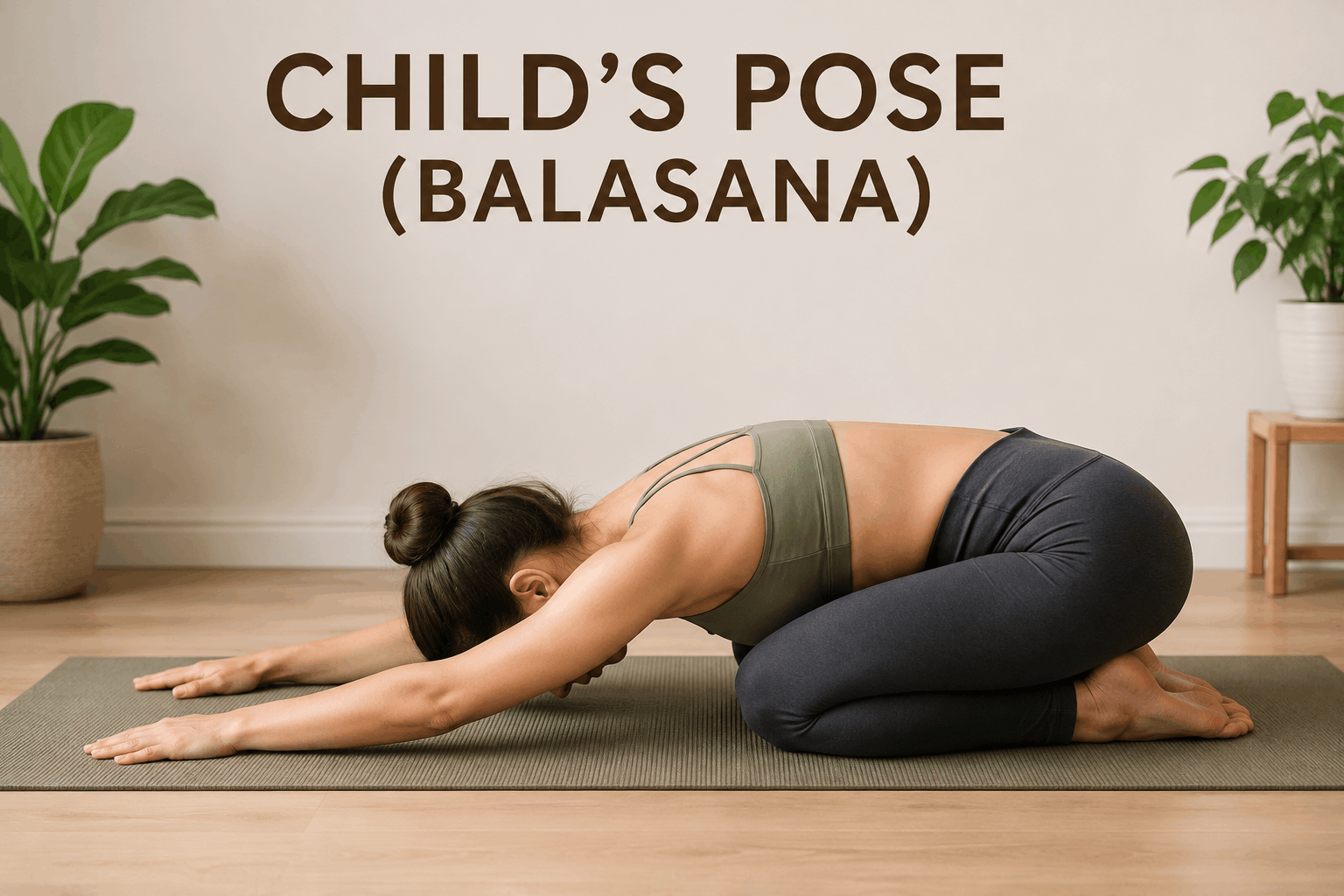
Child’s Pose (Balasana) is a gentle, beginner-friendly yoga pose that focuses on relaxation rather than movement. It allows your body to rest while softly stretching the hips, thighs, lower back, and ankles. Because it encourages deep breathing and helps reduce stress, Child’s Pose (Balasana) for fertility is often included in yoga routines for women trying to conceive. While it cannot treat infertility or guarantee pregnancy, regular practice may support overall reproductive wellness as part of a healthy lifestyle.
Can Child’s Pose (Balasana) Improve Fertility?
If you’re trying to conceive, Child’s Pose (Balasana) can be a gentle addition to your wellness routine. While there is no strong scientific evidence that it directly improves fertility or increases the chances of pregnancy, this calming yoga pose may help reduce stress, encourage deep breathing, and promote relaxation. When practised regularly alongside a healthy lifestyle and medical guidance, Child’s Pose (Balasana) for fertility may support your overall reproductive wellness.
Benefits of Child’s Pose (Balasana) for Fertility
Its benefits mainly come from reducing stress, promoting relaxation, and improving flexibility. Here are some ways this gentle yoga pose may support your fertility journey.
Explore our complete guide to 8 Best Yoga Poses for Fertility to build a balanced fertility yoga routine.
1. Reduce Stress
Trying to conceive can sometimes feel emotionally exhausting, especially when things don’t happen as quickly as expected. Child’s Pose (Balasana) is known for its calming effect on both the body and mind. By encouraging slow, deep breathing and gentle relaxation, it may help lower everyday stress and create a greater sense of emotional balance. While reducing stress alone won’t improve fertility, managing it is an important part of supporting your overall reproductive health.
2. Encourages Deep, Mindful Breathing
One of the biggest benefits of Child’s Pose (Balasana) is that it naturally encourages slow and steady breathing. As your breathing becomes deeper, your body begins to relax, helping you feel calmer and more present. This mindful breathing practice can reduce mental tension, improve focus, and make your yoga session more enjoyable, supporting your overall well-being throughout your fertility journey.
Looking for another beginner-friendly fertility yoga pose? Explore our guide to Cobra Pose for Fertility.
3. Gently Stretches the Hips and Lower Back
Long hours of sitting or daily physical activities can leave your hips and lower back feeling tight. Child’s Pose (Balasana) provides a gentle stretch that helps release stiffness in these areas without putting excessive strain on the body. Improved flexibility can make everyday movement more comfortable and help you feel more relaxed during your yoga practice.
4. Healthy Blood Circulation
Healthy blood circulation plays an important role in keeping your muscles and tissues functioning properly. As Child’s Pose (Balasana) gently relaxes the body, it may encourage better circulation throughout the lower back and pelvic region. Although this doesn’t directly improve fertility, good circulation is an important part of maintaining overall reproductive and physical health.
5. Supports Overall Reproductive Wellness
Fertility isn’t influenced by just one factor. It depends on a combination of healthy habits, including balanced nutrition, regular exercise, quality sleep, stress management, and overall physical health. Practising Child’s Pose (Balasana) as part of a consistent yoga routine can complement these healthy lifestyle choices and support your overall reproductive wellness.
6. Improves Flexibility and Posture
Regular practice of Child’s Pose (Balasana) gently stretches the spine, hips, shoulders, and thighs, helping improve flexibility over time. Better flexibility can reduce stiffness, while improved posture may help relieve everyday aches caused by prolonged sitting or poor body alignment. These small improvements can make daily activities feel more comfortable.
7. Relieves Muscle Tension
It’s common to carry tension in the shoulders, neck, and lower back, especially during stressful periods. Child’s Pose (Balasana) allows these muscles to relax naturally while giving your body a chance to recover. Many people feel lighter, calmer, and more refreshed after holding this pose for a few slow breaths.
8. Supports Overall Health
Good health is about caring for both your body and your mind. Regularly practising Child’s Pose (Balasana) can help you feel more relaxed, improve your mood, and encourage a consistent self-care routine. When combined with healthy eating, regular physical activity, and medical guidance when needed, it can become a valuable part of your overall fertility and wellness journey.
Discover another beginner-friendly yoga pose in our Malasana for Overall Health guide.
How to Do Child’s Pose (Balasana)
Follow these simple steps to practise Child’s Pose (Balasana) safely:
- Kneel on the yoga mat with your big toes touching.
- Sit back comfortably on your heels.
- Keep your knees together or slightly apart.
- Bend forward and lower your chest.
- Rest your forehead on the mat.
- Stretch your arms forward or keep them beside your body.
- Relax your shoulders and breathe slowly.
- Hold the pose for 30–60 seconds.
- Slowly return to the starting position.
- Repeat 2–3 times.
Tips to Get the Most Benefits
- Practise on an empty stomach.
- Breathe slowly and deeply.
- Relax your body throughout the pose.
- Don’t force the stretch.
- Practise regularly.
- Eat a healthy, balanced diet.
- Get enough sleep every night.
- Consult your doctor if you have fertility concerns.
Best Time to Practise Child’s Pose
- Morning is the best time.
- You can also practise in the evening after 3–4 hours of eating.
- Wear comfortable clothing.
- Use a yoga mat on a flat surface.
- Breathe naturally throughout the pose.
Common Mistakes to Avoid
- Holding your breath.
- Forcing your hips too far back.
- Tightening your shoulders.
- Rushing through the pose.
- Ignoring pain or discomfort.
Move gently and stop if you feel pain.
Who Should Avoid Child’s Pose?
Avoid or modify Child’s Pose (Balasana) if you have:
- Severe knee injuries.
- Recent knee or ankle surgery.
- Serious hip pain.
- Severe lower back pain.
- Late pregnancy unless advised by your doctor.
If you have a medical condition, consult your healthcare provider or a qualified yoga instructor before practising.
What Does Research Say?
Research suggests that yoga may help reduce stress, improve mood, and support overall well-being. Since stress can affect reproductive health, practising yoga may be a helpful part of a healthy lifestyle. However, there is no strong scientific evidence that Child’s Pose (Balasana) alone improves fertility or increases the chances of pregnancy. Experts recommend yoga as a complementary practice alongside healthy lifestyle habits and appropriate medical care.
FAQs
Can Child’s Pose (Balasana) help me get pregnant?
No. Child’s Pose (Balasana) cannot guarantee pregnancy or treat infertility. However, it may help reduce stress and support your overall well-being, which is important for reproductive health.
How long should I hold Child’s Pose?
Most beginners can comfortably hold the pose for 30–60 seconds while breathing slowly and naturally.
Can I practise Child’s Pose every day?
Yes. Child’s Pose (Balasana) is a gentle yoga pose that most healthy adults can practise daily using the correct technique.
Is Child’s Pose safe during pregnancy?
It may need to be modified during pregnancy, especially in the later stages. Always consult your healthcare provider or a qualified prenatal yoga instructor before practising.
Which yoga poses are good for fertility?
- Cobra Pose (Bhujangasana)
- Butterfly Pose (Baddha Konasana)
- Malasana (Garland Pose)
- Bridge Pose (Setu Bandhasana)
- Legs-Up-the-Wall Pose (Viparita Karani)
While these poses may support relaxation and overall wellness, no single yoga pose has been proven to improve fertility on its own.
Disclaimer: This article is for informational purposes only and should not be considered medical advice. Always consult a qualified healthcare professional before starting a new yoga routine, especially if you have a medical condition, are pregnant, or are undergoing fertility treatment.
Conclusion
Child’s Pose for Fertility is a gentle and relaxing yoga practice that supports flexibility, stress relief, and overall well-being. While it cannot treat infertility or guarantee pregnancy, practising Child’s Pose (Balasana) regularly may support your fertility journey as part of a healthy lifestyle. For the best results, combine yoga with a balanced diet, regular exercise, quality sleep, and guidance from a healthcare professional to support your overall reproductive health.
Disclaimer: This article is for informational purposes only and is not intended as medical advice. Consult a healthcare professional for personalized guidance.